
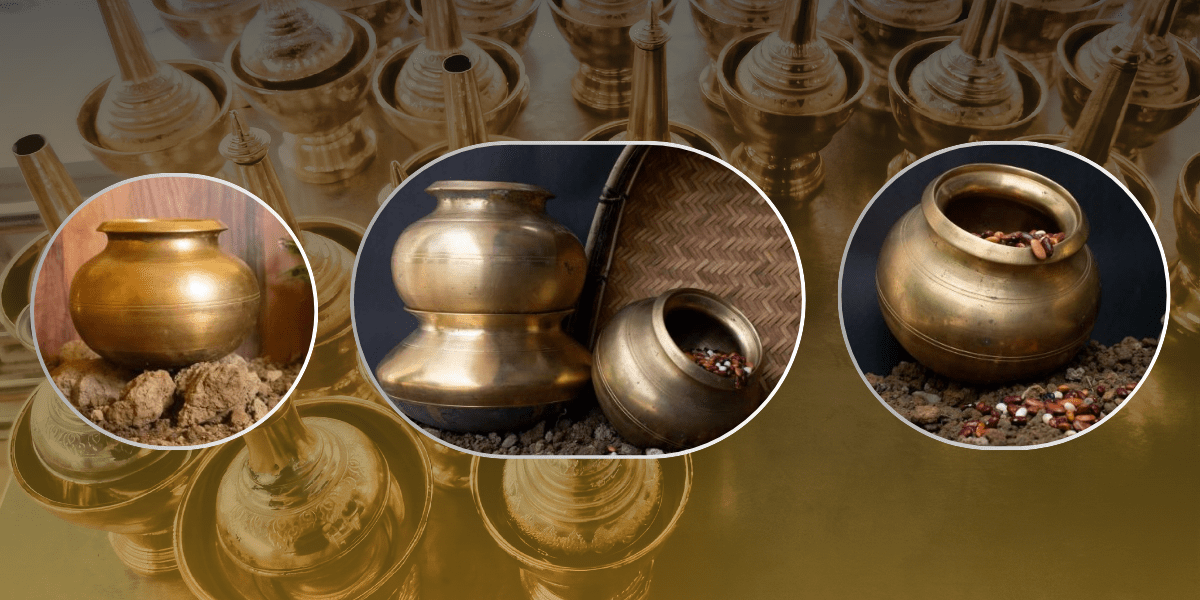
For centuries, brass utensils have held a special place in Indian kitchens. Long before modern cookware became common, households across the country relied on metal vessels that were durable, practical, and deeply connected to traditional cooking practices. Among these, brass utensils for cooking became a preferred choice in many regions because of their longevity, versatility, and cultural significance.
In the Himalayan state of Uttarakhand, brass cookware has been an integral part of daily life for generations. Traditional Pahadi families used handcrafted brass vessels for preparing meals, serving food, and preserving culinary traditions. Even today, many households continue to value these timeless utensils, while others are rediscovering them as part of a growing interest in heritage-inspired living and sustainable home products.
Beyond their practical use, brass utensils represent a rich legacy of craftsmanship. Skilled artisans spend years learning traditional techniques that have been passed down through generations. Their work not only preserves a valuable cultural tradition but also supports local communities and rural livelihoods.
This enduring connection between craftsmanship, culture, and functionality is one of the reasons why brass utensils for cooking continue to attract attention in modern homes.
The Rich History of Brass Utensils for Cooking in India
The history of brass cookware in India stretches back hundreds of years. Metalworking has been an important part of Indian civilization, with artisans creating household items, religious objects, and kitchen utensils using traditional techniques.
As communities evolved, brass became a widely used material because it was durable, reusable, and suitable for everyday household activities. Families often invested in quality brass vessels that could serve multiple generations. These utensils became a symbol of practicality and tradition, often passed down as family heirlooms.
In many parts of northern India, especially in the Himalayan region, traditional kitchens depended heavily on handcrafted cookware. Mountain communities required utensils that could withstand daily use while supporting slow-cooking methods that were common in regional cuisine.
The popularity of brass utensils for cooking in Uttarakhand was closely linked to the lifestyle of the region. Traditional dishes often required extended cooking times, making sturdy metal cookware an essential household item. Over time, brass vessels became deeply woven into the cultural and culinary identity of Pahadi households.
Today, these traditional utensils are valued not only for their functionality but also for the history and heritage they represent.
What Makes Brass Utensils Special?
Brass is an alloy created by combining copper and zinc. This combination produces a strong and durable material that has been used for centuries in household products, decorative items, and kitchenware.
One of the reasons brass utensils for cooking have remained popular is their durability. Unlike many modern alternatives that may wear out over time, handcrafted brass cookware is designed to last for years when properly maintained.
Another distinguishing feature is the craftsmanship involved in their creation. Traditional brass utensils are often handmade using techniques that require precision, skill, and patience. Artisans carefully shape, cast, polish, and finish each piece to create products that are both functional and visually appealing.
The handmade nature of these utensils adds character and uniqueness. Unlike factory-produced cookware, handcrafted brass products often carry subtle variations that reflect the artisan’s expertise and attention to detail.
This combination of durability, beauty, and craftsmanship has allowed brass cookware to remain relevant across generations.
Benefits of Brass Utensils for Cooking
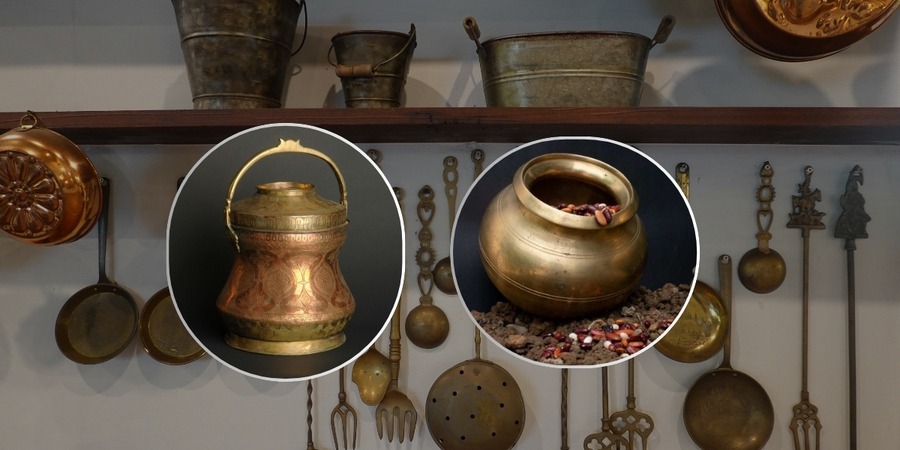
Excellent Heat Distribution
One of the most appreciated qualities of brass cookware is its ability to distribute heat evenly. Consistent heat distribution can contribute to better cooking results, particularly when preparing traditional dishes that require slow and steady cooking.
For generations, families have used brass utensils for cooking dishes that benefit from gradual heat exposure, helping ingredients cook evenly and develop rich flavors.
Long-Lasting Durability
Durability is another major advantage of brass cookware. Traditional brass vessels were often purchased with the expectation that they would remain useful for many years.
Many households continue to use brass utensils that have been passed down through multiple generations. This long lifespan makes brass cookware a sustainable alternative to products that require frequent replacement.
Sustainable and Environment-Friendly
As interest in sustainable living grows, many people are turning toward products that are reusable and long-lasting. Brass fits naturally into this approach because it is durable, recyclable, and designed for extended use.
Choosing brass utensils for cooking can support a lifestyle that values quality over disposable products, helping reduce unnecessary waste.
Timeless Aesthetic Appeal
Brass possesses a distinctive appearance that blends beautifully with both traditional and modern interiors. Its warm golden tone adds character to kitchens, dining spaces, and home décor settings.
Many homeowners appreciate brass cookware not only for its utility but also for its decorative value. Traditional vessels often become conversation pieces that reflect cultural heritage and craftsmanship.
Connection to Traditional Cooking Practices
Cooking traditions often carry memories, stories, and cultural significance. Brass utensils help preserve these traditions by maintaining a connection with the methods and practices used by previous generations.
For many families, using brass utensils for cooking is about more than preparing food—it is about keeping a valuable part of their heritage alive.
Traditional Brass Utensils Found in Uttarakhand Kitchens

The kitchens of Uttarakhand have long relied on handcrafted brass cookware that combines practicality, durability, and traditional craftsmanship. These utensils have supported everyday cooking practices for generations and continue to reflect the region’s rich cultural heritage.
Bhaddu: The Traditional Brass Cooking Vessel of Uttarakhand
Among the most iconic brass utensils for cooking found in Uttarakhand is the Bhaddu. Traditionally used in Pahadi households, this brass cooking vessel is associated with slow-cooked regional dishes that require steady and even heat. Its enduring presence in mountain kitchens reflects both its practical value and its deep connection to Uttarakhand’s culinary traditions. The Bhaddu remains a symbol of authentic Pahadi cooking and traditional craftsmanship.
Brass Fulti: A Timeless Utility Vessel in Pahadi Kitchens
The Brass Fulti has long been an essential part of traditional Uttarakhand households. Known for its versatility and durability, it has been used for various kitchen and household purposes over generations. Its simple yet functional design reflects the resourceful nature of mountain communities and highlights why brass utensils for cooking and daily use continue to be valued in traditional homes.
Brass Utensils During Festivals and Family Gatherings
Brass cookware plays an important role during festivals, religious ceremonies, and family celebrations across Uttarakhand. Traditional meals prepared on special occasions often rely on handcrafted brass vessels that carry cultural and emotional significance. The continued use of these utensils helps preserve customs that have been passed down through generations.
How Brass Handicrafts Reflect Uttarakhand’s Cultural Heritage

Traditional brass handicrafts represent more than utility products. They serve as a reflection of Uttarakhand’s artistic heritage, craftsmanship, and cultural identity.
For generations, artisans have created brass products inspired by local traditions and everyday needs. Their work demonstrates a balance between functionality and artistic expression.
Many handcrafted brass items continue to feature designs influenced by regional culture, helping preserve traditional knowledge and craftsmanship. Whether used in kitchens or displayed as decorative pieces, these products connect modern households with the heritage of the Himalayan region.
The continued appreciation for brass handicrafts highlights the importance of preserving traditional skills in an increasingly industrialized world.
Where and How Traditional Brass Handicrafts Are Made in Uttarakhand
The creation of brass handicrafts involves a series of specialized processes that require experience, patience, and precision. In Uttarakhand, traditional brass craftsmanship is particularly associated with the Kumaon region, where artisan communities have preserved metalworking techniques for generations. Districts such as Bageshwar, Almora, and Pithoragarh are known for their rich handicraft traditions, with many artisans continuing to create handcrafted brass products using time-honored methods.
Artisans begin by preparing the metal before shaping it into the desired form. Traditional casting techniques are followed by careful hammering, smoothing, polishing, and finishing work to achieve both durability and visual appeal. Many of these products are crafted in small family-run workshops, where skills are passed down from one generation to the next. This dedication to traditional craftsmanship gives brass utensils for cooking and other brass handicrafts a distinctive character that sets them apart from mass-produced alternatives while preserving Uttarakhand’s cultural heritage.
Supporting Local Artisans and Preserving Traditional Skills
Traditional handicrafts play an important role in supporting local economies throughout Uttarakhand. For many artisan families, metalworking is more than an occupation—it is a legacy that connects generations through shared skills and knowledge.
However, the rise of industrial manufacturing has created challenges for traditional craftspeople. Handmade products often require more time, effort, and expertise than factory-made alternatives.
Organizations and businesses that promote authentic handicrafts help create opportunities for these artisans by introducing their work to wider audiences.
Baaduli contributes to this effort by showcasing traditional handicrafts inspired by Uttarakhand’s cultural heritage. By supporting handmade products, such initiatives help generate employment opportunities, encourage skill preservation, and strengthen artisan communities.
The growing appreciation for handcrafted products creates demand that benefits local craftspeople while helping preserve centuries-old traditions.
As awareness increases, more consumers are choosing products that carry a meaningful story and reflect genuine craftsmanship. This shift plays an important role in sustaining the future of traditional brass artistry.
Beyond Brass: Exploring Uttarakhand’s Rich Handicraft Heritage
While brass utensils for cooking remain an important part of Uttarakhand’s traditional craftsmanship, the region is also known for a wide variety of handmade products that reflect its cultural heritage. Skilled artisans create beautiful handicrafts such as Ringaal bamboo products, Moonj grass crafts, copper items, woolen textiles, and traditional Aipan art. These crafts are inspired by local traditions and natural resources, making them a valuable part of the Himalayan artisan legacy.
Uttarakhand is also home to traditional musical instruments such as Dhol-Damau, Ransingha, Hudki, Bhonkar, and Daur, which play an important role in folk music, festivals, and religious celebrations. Together, these handicrafts showcase the creativity and craftsmanship of local artisans while helping preserve traditional skills that have been passed down through generations. By supporting handmade products, consumers contribute to the continuation of Uttarakhand’s rich handicraft heritage.
Why Traditional Brass Utensils Are Becoming Popular Again
In recent years, there has been renewed interest in heritage-inspired products. Consumers increasingly value craftsmanship, authenticity, and sustainability when making purchasing decisions.
This trend has contributed to the revival of brass utensils for cooking among homeowners seeking alternatives to mass-produced kitchenware.
Traditional cookware also appeals to people who appreciate cultural heritage and wish to incorporate timeless elements into modern living spaces.
Additionally, handmade products offer a sense of individuality that many consumers find attractive. The unique characteristics of handcrafted brass items create a connection between the maker and the user that is rarely found in factory-produced goods.
Caring for Brass Utensils
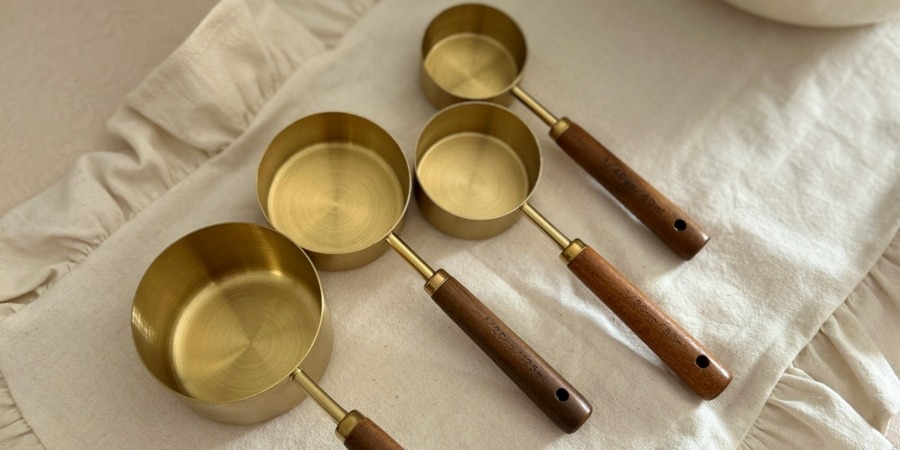
Proper maintenance helps preserve the appearance and longevity of brass cookware.
Cleaning Tips
Regular cleaning helps remove surface dirt and maintain the utensil’s finish. Gentle cleaning methods are generally preferred to protect the metal.
Proper Storage
Keeping brass utensils in a dry environment can help preserve their condition and appearance over time.
Maintaining Their Traditional Beauty
Periodic polishing can help retain the characteristic shine that makes brass such a visually appealing material.
With proper care, brass utensils for cooking can remain functional and attractive for many years.
Preserving Tradition Through Every Meal
The story of brass utensils for cooking is deeply connected to India’s culinary traditions, artisan heritage, and cultural identity. From ancient kitchens to modern homes, these handcrafted utensils have remained valued for their durability, functionality, and timeless appeal.
In Uttarakhand, traditional brass cookware continues to reflect the skills of local artisans and the rich heritage of mountain communities. Every handcrafted vessel represents generations of knowledge, dedication, and craftsmanship.
As interest in sustainable living and authentic handmade products grows, brass cookware is finding renewed relevance among homeowners who appreciate quality and tradition. Supporting handcrafted brass products not only helps preserve cultural heritage but also contributes to the livelihoods of artisans who continue to keep these remarkable traditions alive.
Frequently Asked Questions
- What are brass utensils for cooking?
Brass utensils for cooking are traditional kitchen vessels made from an alloy of copper and zinc. They have been used in Indian households for generations due to their durability, functionality, and timeless appeal. - Why have brass utensils been popular in Indian kitchens for centuries?
Brass utensils have long been valued for their strength, versatility, and suitability for traditional cooking practices. They also hold cultural significance in many Indian households. - Are brass utensils for cooking still used in modern homes?
Yes, many homeowners are rediscovering brass cookware as part of a growing interest in traditional kitchenware, sustainable living, and handcrafted products. - What makes handcrafted brass utensils different from machine-made products?
Handcrafted brass utensils are created by skilled artisans using traditional techniques. Each piece reflects individual craftsmanship and often carries unique details that make it distinct. - Why are brass utensils important in Uttarakhand’s culinary traditions?
Brass cookware has been an integral part of Uttarakhand’s traditional kitchens for generations. Many regional recipes and cooking practices have historically relied on durable brass vessels. - What types of traditional brass utensils are commonly found in Pahadi households?
Traditional Pahadi kitchens often feature brass cooking pots, utility vessels, serving containers, and other handcrafted utensils designed for everyday use. - How are traditional brass handicrafts made in Uttarakhand?
Traditional brass handicrafts are crafted through processes such as casting, shaping, hammering, polishing, and finishing. These techniques are often passed down through generations of artisan families. - Why are traditional brass handicrafts gaining popularity today?
People are increasingly choosing handmade products that reflect cultural heritage, skilled craftsmanship, sustainability, and timeless design. - How does buying handcrafted brass products support local artisans?
Purchasing handcrafted brass products helps create employment opportunities, preserve traditional skills, and support artisan communities that continue to practice this heritage craft. - Where can I find authentic handmade brass handicrafts from Uttarakhand?
Authentic handmade brass handicrafts can be found through trusted handicraft brands and artisan-focused platforms that work directly with local craftspeople and promote traditional Uttarakhand craftsmanship.
