
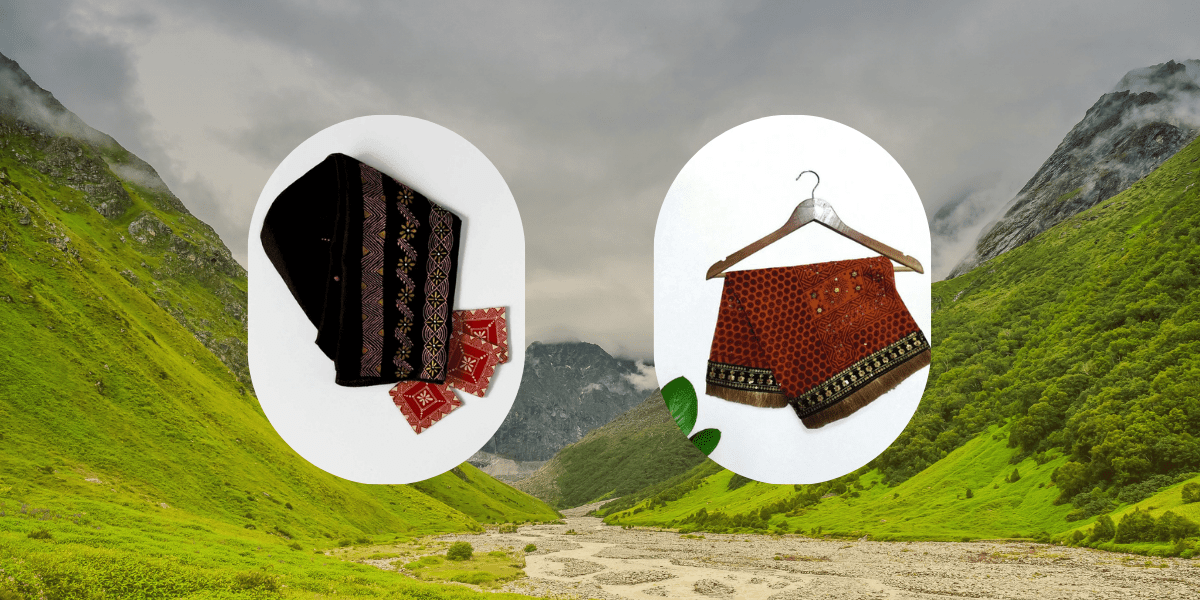
The rich cultural heritage of Uttarakhand is reflected in its festivals, temples, music, cuisine, and traditional handicrafts. Among these artistic traditions, aipan art of Uttarakhand holds a special place as a sacred expression of faith, creativity, and community values. For centuries, families in the Kumaon region have created these beautiful hand-drawn patterns to mark joyful occasions, welcome prosperity, and decorate homes with symbols of positivity.
Unlike decorative paintings made only for visual appeal, Aipan carries deep cultural meaning. Every motif, line, and symbol is associated with blessings, devotion, and traditional beliefs that have been preserved for generations. This remarkable folk tradition continues to inspire artisans who carefully create handmade products that bring the beauty of Uttarakhand into modern homes.
Today, the timeless charm of aipan art of Uttarakhand can be seen not only on traditional floors and walls but also on handcrafted wooden décor, pooja essentials, wall hangings, coasters, serving trays, and gift items. These creations allow people across India to experience a piece of Himalayan heritage while supporting local craftsmanship.
What is Aipan Art?
Aipan art is a traditional ritual painting style that originated in the Kumaon region of Uttarakhand. The word “Aipan” is believed to have evolved from the Sanskrit word Lepana, which refers to the act of coating or decorating a surface. Over time, this artistic practice became an important part of everyday cultural and religious life in the Himalayan communities.
The beauty of aipan art of Uttarakhand lies in its simplicity. Artists create intricate white patterns on a deep red background using natural materials instead of synthetic paints. Every design reflects devotion, harmony, and respect for nature, making it much more than a decorative craft.
Traditionally, these artworks are created during religious ceremonies, family celebrations, seasonal festivals, and important life events. Whether it is welcoming guests, celebrating a festival, or preparing a sacred space for worship, Aipan continues to symbolize purity and good fortune.
Although similar floor art traditions exist across different parts of India, the Kumaoni style has its own distinctive identity. The balanced geometric patterns, symbolic motifs, and careful handwork make this art form instantly recognizable.
Today, many artisans preserve these traditions while adapting them into handmade products that suit contemporary lifestyles without losing their cultural essence.
The History of Aipan Art in Uttarakhand
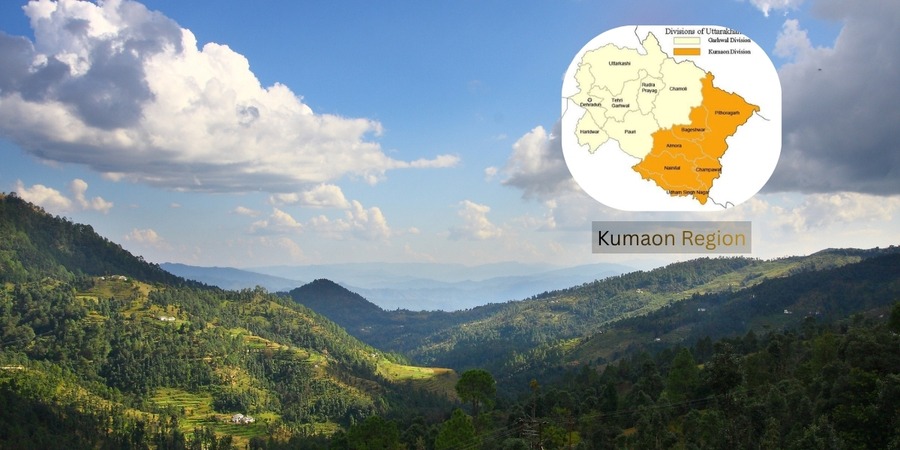
The history of aipan art of Uttarakhand stretches back several centuries and is closely linked with the cultural development of the Kumaon region. Historical accounts suggest that the tradition flourished during the rule of the Chand dynasty, whose patronage encouraged the growth of local arts, architecture, and religious practices.
As villages developed across the Himalayan landscape, families continued to preserve this artistic tradition by passing it from one generation to the next. Instead of being formally taught in schools, Aipan became a living tradition learned through observation and regular participation in family rituals.
Over the years, every household contributed its own creativity while maintaining the traditional symbolism associated with different occasions. This helped the art evolve naturally without losing its original identity.
The recognition of aipan art in Uttarakhand has grown significantly in recent years. Its cultural importance has attracted artists, designers, educational institutions, and government initiatives that actively promote this unique heritage. The art form also received a Geographical Indication (GI) tag, highlighting its authenticity and strong connection with Uttarakhand’s cultural identity.
Today, Aipan stands as one of the state’s most respected folk traditions, representing centuries of artistic excellence rooted in Himalayan culture.
Cultural and Religious Importance of Aipan Art
The cultural value of aipan art of Uttarakhand goes far beyond decoration. Every pattern is believed to create a sacred atmosphere that welcomes positive energy while expressing gratitude and devotion toward divine blessings.
For families in Kumaon, drawing Aipan is an important ritual before beginning many religious ceremonies. The artwork transforms ordinary spaces into auspicious places prepared for worship, celebrations, and family gatherings.
Women have traditionally played the most significant role in preserving this heritage. Mothers, grandmothers, and daughters continue to pass down techniques, symbols, and artistic knowledge within the family. This tradition has allowed the art to survive for centuries despite changing lifestyles.
Many designs are inspired by Hindu beliefs, natural elements, and spiritual symbols that represent prosperity, knowledge, protection, strength, and abundance. These meaningful patterns remind people that art and spirituality can exist together as part of everyday life.
Beyond its religious significance, Aipan also strengthens family bonds. Creating these beautiful designs often becomes a shared activity during festivals, bringing together different generations while preserving cultural values.
Even today, homes across Uttarakhand continue to celebrate important occasions with handcrafted Aipan designs, keeping this priceless tradition alive.
How Traditional Aipan Art is Made
One of the most fascinating aspects of aipan art of Uttarakhand is the use of simple, natural materials. Rather than relying on commercial paints or modern tools, traditional artists create every design using techniques that have remained largely unchanged for generations.
The process begins by preparing the surface. Traditionally, floors or walls are cleaned thoroughly before applying a reddish base made from natural red earth, commonly known as Geru. This earthy background provides a striking contrast for the intricate white patterns that follow.
The white colour is prepared using soaked rice that is ground into a smooth paste. This natural mixture creates clean, bright lines while maintaining the eco-friendly character of the artwork.
Instead of using brushes, skilled artisans often draw directly with their fingers or simple handmade tools. Years of practice allow them to create perfectly balanced lines, curves, dots, and geometric forms without relying on sketches or measurements.
Every symbol is drawn carefully according to the purpose of the occasion. Some patterns are meant for welcoming prosperity, while others are associated with education, marriage ceremonies, religious worship, or family celebrations.
Although traditional techniques continue to be valued, today’s artisans have also adapted Aipan to modern materials such as wood, canvas, MDF, fabric, and paper. This has made it possible for people to enjoy authentic Himalayan craftsmanship in the form of home décor and gifting products while respecting the original artistic tradition.
The growing popularity of handcrafted items has also encouraged many local artisans to continue practising this centuries-old craft, ensuring that the beauty of Uttarakhand’s cultural heritage reaches homes across India.
Popular Traditional Aipan Designs and Their Meanings
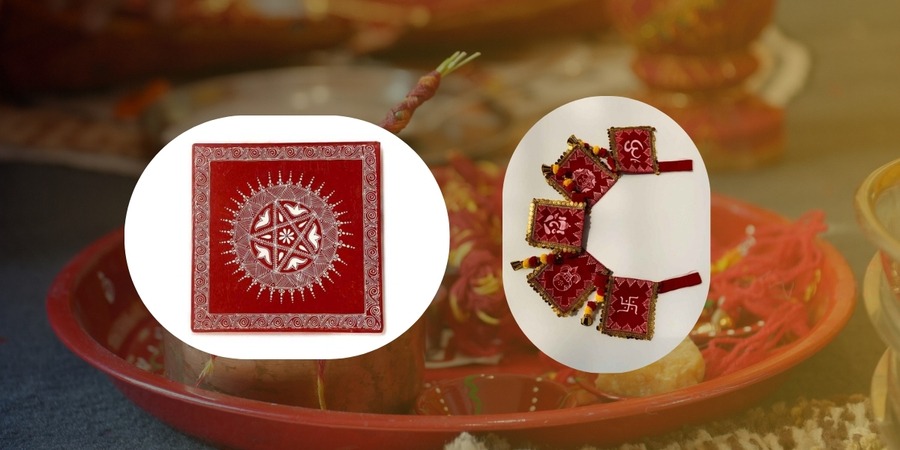
Every traditional Aipan motif carries a unique meaning and is created for a specific religious or social occasion. Rather than being random patterns, these designs are carefully chosen according to the purpose of the ceremony. Their symbolic nature makes the aipan art of Uttarakhand one of the most meaningful forms of Indian folk art.
Saraswati Chowki
This design is dedicated to Goddess Saraswati, the deity of wisdom, knowledge, and learning. It is commonly created when children begin their educational journey or during ceremonies associated with books and studies. The motif reflects the family’s prayer for intelligence, creativity, and lifelong learning.
Lakshmi Chowki
Among the most popular designs, Lakshmi Chowki is associated with wealth, prosperity, and abundance. It is especially drawn during Diwali and Lakshmi Puja to welcome the goddess into the home. The design often includes sacred geometric patterns that symbolize harmony and good fortune.
Ganesh Chowki
Created before auspicious ceremonies, Ganesh Chowki honours Lord Ganesha, who is worshipped as the remover of obstacles. Families prepare this design before weddings, housewarming ceremonies, and other important events to seek blessings for a smooth beginning.
Nav Durga Chowki
Dedicated to the nine forms of Goddess Durga, this sacred design is commonly prepared during Navratri and other religious observances. It reflects courage, protection, and divine feminine energy.
Shiv Peeth
This motif is associated with Lord Shiva and is prepared during Mahashivratri or other Shiva-related rituals. It represents peace, spiritual strength, and inner balance.
Durga Thapa
Durga Thapa is often placed near entrances or sacred spaces. It is believed to invite positive energy while symbolically protecting the household from negativity.
Jyoti Patta
The word “Jyoti” means light. This beautiful design represents spiritual illumination, hope, and the victory of goodness over darkness. It is frequently seen during festivals celebrated with lamps and prayers.
Lakshmi Footprints
Tiny footprints symbolizing the arrival of Goddess Lakshmi are carefully drawn near entrances and prayer spaces. These delicate motifs are among the most recognizable features of traditional Aipan and beautifully represent prosperity entering the home.
Together, these sacred patterns preserve centuries of religious beliefs while showcasing the artistic brilliance of Kumaoni artisans. Every aipan art design reflects not only creativity but also the values, traditions, and spiritual identity of Uttarakhand.
Festivals and Occasions When Aipan Art is Created
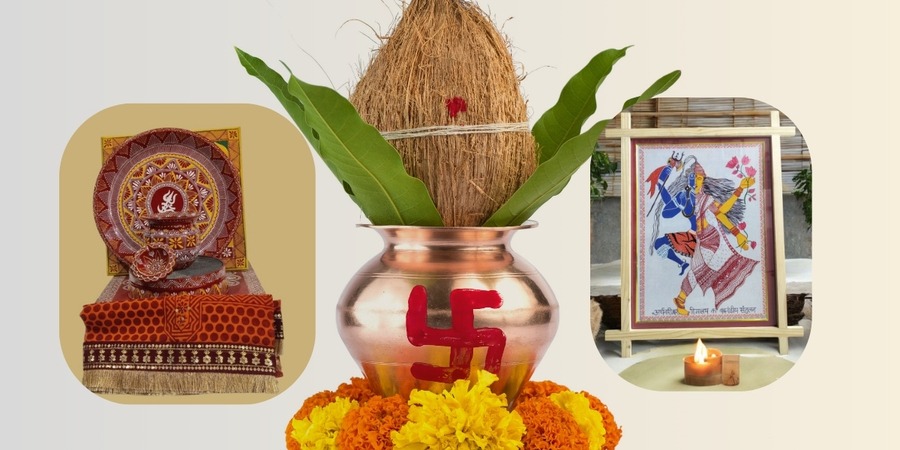
Traditional Aipan is closely connected with celebrations that bring families together. Rather than decorating homes throughout the year, these artworks are usually created during special occasions that hold religious or cultural importance.
Diwali is one of the most significant festivals for creating Aipan. Homes are decorated with Lakshmi Chowki and symbolic footprints to welcome prosperity and blessings. During Ganesh Chaturthi, special motifs honour Lord Ganesha before beginning new ventures or family celebrations.
Seasonal festivals such as Makar Sankranti also feature beautifully prepared Aipan designs, reflecting gratitude for nature and changing agricultural seasons. Mahashivratri inspires motifs dedicated to Lord Shiva, while Navratri celebrates the divine feminine through sacred geometric patterns.
Apart from festivals, Aipan is also created during weddings, sacred thread ceremonies, naming ceremonies, housewarming rituals, and the beginning of a child’s education. Each occasion has its own traditional symbols that add cultural meaning to the celebration.
This close relationship between art and everyday life is one of the reasons aipan art of Uttarakhand continues to remain relevant even after centuries. The tradition is not limited to museums or galleries—it continues to live inside homes where culture is celebrated through creativity.
Aipan Art in Modern Homes and Contemporary Décor
While Aipan began as a ritual art painted on floors and walls, it has beautifully adapted to modern lifestyles. Today, artisans preserve the same traditional motifs while presenting them in forms that suit contemporary homes.
Handcrafted wall hangings inspired by Aipan have become popular decorative pieces that add a touch of Himalayan culture to living rooms, hallways, and prayer spaces. Wooden chowkis featuring sacred motifs are widely used during religious ceremonies and festive celebrations.
Home accessories such as serving trays, coasters, name plates, key holders, tea-light holders, notebooks, bookmarks, and decorative panels now showcase traditional Kumaoni artistry in elegant ways. These products allow people to celebrate Uttarakhand’s heritage while adding handcrafted beauty to their interiors.
Many homeowners also appreciate Aipan-inspired décor because it blends effortlessly with modern, minimalist, rustic, and traditional interiors. The combination of earthy red tones and delicate white artwork creates a timeless aesthetic that never goes out of style.
As awareness of sustainable handmade products continues to grow, more people are choosing authentic creations over mass-produced decorative items. This growing appreciation has introduced aipan folk art to audiences far beyond the Himalayan region.
Why Buying Authentic Aipan Art Supports Uttarakhand’s Heritage
Every handmade Aipan product tells the story of an artisan who has inherited generations of cultural knowledge. Choosing authentic handcrafted creations is not only a purchase but also an investment in preserving one of Uttarakhand’s oldest artistic traditions.
Local artisans spend years mastering the precision, symbolism, and techniques required to create traditional designs. Their work reflects patience, dedication, and respect for customs that have survived for centuries.
By purchasing authentic handmade products, customers help create sustainable livelihood opportunities for artisan families while encouraging younger generations to continue practising this valuable craft.
At Baaduli, every handcrafted Aipan creation celebrates the cultural richness of Uttarakhand. Inspired by traditional Kumaoni artistry, the collection reflects the beauty of Himalayan heritage while supporting skilled local artisans who continue to preserve this remarkable tradition. Whether it is a decorative wall piece, a handcrafted chowki, or a thoughtful gift, each product carries the timeless charm of authentic craftsmanship.
Choosing genuine handmade Aipan also helps preserve cultural identity in a world increasingly dominated by machine-made décor. Every purchase becomes a meaningful way to keep Uttarakhand’s artistic legacy alive for future generations.
Discover Authentic Uttarakhand Handicrafts with Baaduli
Baaduli celebrates the rich craftsmanship of Uttarakhand by bringing together a thoughtfully curated collection of handmade products created by skilled local artisans. Along with preserving the beauty of aipan art of Uttarakhand, Baaduli offers a variety of traditional handicrafts that reflect the culture, creativity, and heritage of the Himalayan region.
Explore handcrafted metal handicrafts that combine traditional techniques with timeless appeal, elegant iron handicraft items that add a rustic charm to modern interiors, and beautifully crafted brass utensils and brass products inspired by generations of artisanal excellence. You can also discover unique creations made from Moonj Grass Craft, showcasing sustainable craftsmanship and the natural beauty of locally sourced materials.
Each handcrafted piece represents the dedication of Uttarakhand’s artisans and helps preserve traditional skills that have been passed down through generations. Whether you’re looking for meaningful home décor, functional handcrafted essentials, or thoughtful gifts, Baaduli offers authentic products that bring th
Keeping the Legacy of Aipan Art Alive
The story of aipan art of Uttarakhand is one of faith, tradition, creativity, and community. For centuries, this remarkable folk art has transformed ordinary spaces into symbols of devotion, prosperity, and celebration. Its carefully crafted motifs continue to reflect the cultural identity of the Kumaon region while preserving values that have been passed from one generation to the next.
Although modern lifestyles have changed the way people decorate their homes, the essence of Aipan remains unchanged. Today, beautifully handcrafted décor allows people to celebrate Uttarakhand’s heritage beyond festivals and rituals while supporting the artisans who keep this tradition alive.
Choosing authentic Aipan products is more than bringing home beautiful artwork—it is a way of preserving history, encouraging local craftsmanship, and honouring one of India’s most treasured cultural traditions.
Frequently Asked Questions

- What is Aipan Art of Uttarakhand?
Aipan is a traditional ritual painting style from the Kumaon region of Uttarakhand. It is created using white rice paste on a red background and is widely associated with festivals, religious ceremonies, and auspicious occasions.
- Which region is Aipan Art mainly associated with?
Aipan originated in the Kumaon region of Uttarakhand and continues to be one of its most recognised cultural art forms.
- What materials are traditionally used to create Aipan?
Traditional Aipan is made using a red earth base and a white paste prepared from soaked rice. These natural materials have been used for generations.
- What do Aipan motifs symbolize?
Different motifs represent prosperity, wisdom, protection, devotion, abundance, and positive energy. Every design is created according to the purpose of a specific ceremony or festival.
- Is Aipan Art only made during festivals?
No. While it is widely associated with festivals, Aipan is also created during weddings, housewarming ceremonies, naming ceremonies, educational milestones, and many other auspicious family occasions.
- Has Aipan Art received a GI Tag?
Yes. Aipan received a Geographical Indication (GI) tag in 2021, recognising its authenticity and cultural connection with Uttarakhand.
- How is Aipan Art used in modern homes?
Today, traditional motifs are beautifully incorporated into wall décor, wooden chowkis, coasters, serving trays, name plates, tea-light holders, and other handcrafted home décor products.
- Where can I buy authentic handmade Aipan products?
Authentic handcrafted Aipan décor inspired by the rich cultural heritage of Uttarakhand is available through trusted artisan-focused brands like Baaduli, which work to preserve traditional craftsmanship while supporting local artisans.
- Why is Aipan Art important to Uttarakhand’s culture?
Aipan Art is an integral part of Uttarakhand’s cultural heritage, especially in the Kumaon region. It reflects the state’s traditions, religious beliefs, and artistic craftsmanship. Passed down through generations, this folk art continues to preserve local customs while celebrating the rich identity of the Himalayan region.
- How can I identify authentic Aipan Art products?
Authentic Aipan Art products are usually handmade by skilled artisans and feature traditional Kumaoni motifs created with precision and cultural significance. Purchasing from trusted brands like Baaduli, which work directly with local artisans, helps ensure you receive genuine handcrafted pieces while supporting the preservation of this traditional art form.
