
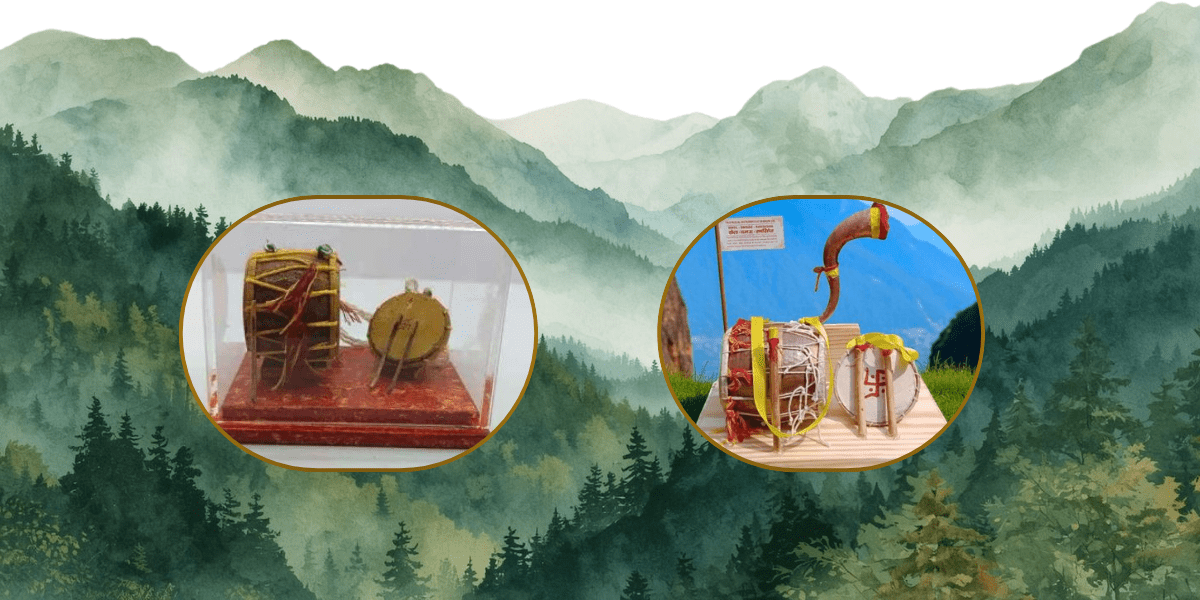
The cultural identity of Uttarakhand is deeply rooted in its folk traditions, vibrant festivals, spiritual practices, and rich artistic heritage. Among the many treasures that define the Himalayan state, music holds a special place. Passed down through generations, traditional melodies continue to bring communities together during religious ceremonies, weddings, seasonal celebrations, and local fairs. At the heart of these traditions are Indian musical instruments that have shaped the soundscape of Uttarakhand for centuries.
These instruments are more than tools for creating music. They are symbols of cultural continuity, local craftsmanship, and community identity. Crafted by skilled artisans using traditional methods, instruments such as Dhol-Damau, Ransingha, Hudki, Bhonkar, and Daur continue to play an essential role in preserving the region’s folk heritage.
Across villages and towns, traditional musicians and artisans work together to keep these cultural practices alive. Their efforts help ensure that Uttarakhand Folk Music remains an integral part of everyday life while providing valuable livelihood opportunities for local communities.
What Makes Uttarakhand’s Traditional Music Unique?
The mountainous landscape of Uttarakhand has influenced every aspect of its culture, including its music. Folk songs and traditional performances often reflect themes of nature, spirituality, agriculture, migration, and community life. The sounds produced by traditional Indian musical instruments echo through valleys and villages, creating a distinct musical identity that is closely connected to the Himalayan environment.
Music in Uttarakhand serves many purposes beyond entertainment. It accompanies religious rituals, celebrates important life events, and strengthens social bonds within communities. Folk traditions are often preserved through oral storytelling, songs, and performances that have been practiced for generations.
Unlike modern musical forms that rely heavily on technology, Traditional Musical Instruments of Uttarakhand maintain a direct connection to local craftsmanship and cultural history. Their sounds carry stories of the past while continuing to inspire present and future generations.
The uniqueness of Uttarakhand’s music lies in its ability to preserve cultural memory. Every performance represents centuries of tradition, making music an important part of the region’s Himalayan Cultural Heritage.
The Cultural Significance of Indian Musical Instruments in Uttarakhand

Indian musical instruments hold immense cultural value throughout Uttarakhand. Their presence is considered essential during many community events and religious gatherings. Traditional music often marks significant occasions, creating an atmosphere of celebration and spiritual connection.
During local festivals, musicians use folk instruments to accompany dances and ceremonial performances. The rhythmic beats of drums and the powerful sounds of wind instruments help create an energetic environment that brings communities together.
Religious traditions also rely heavily on music. Temple ceremonies, processions, and devotional gatherings often feature traditional instruments that enhance the spiritual experience. Certain instruments are believed to have sacred significance and are used during important rituals.
Weddings in Uttarakhand are another occasion where music plays a central role. Traditional musicians perform throughout the celebrations, adding joy and cultural authenticity to the event. The sounds of Dhol-Damau and other folk instruments are often associated with auspicious beginnings and community participation.
These traditions continue to survive because knowledge is passed from one generation to another. Young musicians learn from experienced performers, while artisan families teach instrument-making techniques to their children. This intergenerational transfer of knowledge helps preserve the cultural significance of Indian musical instruments across the region.
Traditional Indian Musical Instruments of Uttarakhand
Dhol-Damau
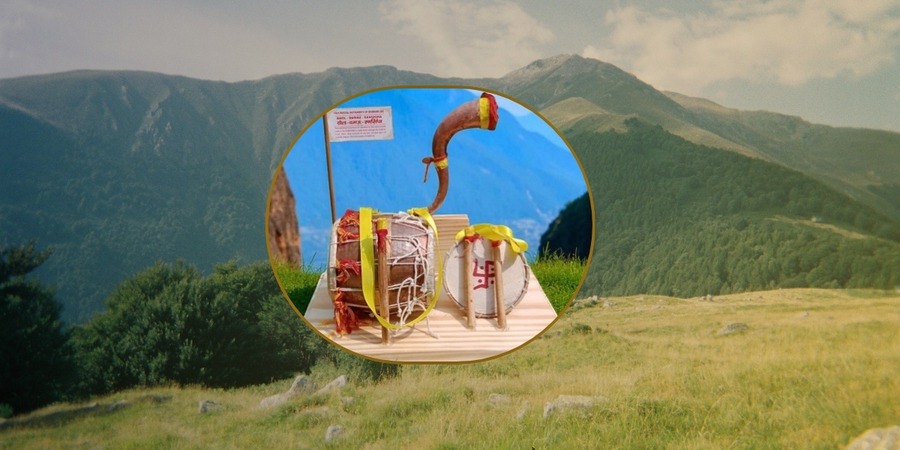
Among the most recognized Folk Instruments of Uttarakhand, Dhol-Damau occupies a special place. The Dhol is a double-sided drum, while the Damau is a smaller percussion instrument that complements its rhythm. Together, they create powerful musical patterns that are central to many traditional performances.
Historically, Dhol Damau has been used during religious ceremonies, weddings, fairs, and folk dances. Different rhythmic patterns are associated with specific occasions, allowing experienced musicians to communicate cultural meanings through music.
The craftsmanship involved in creating Dhol-Damau reflects generations of traditional knowledge. Wood is carefully selected for durability and sound quality, while animal hide is traditionally used to create the drum surfaces. Skilled artisans shape and assemble each component by hand.
Beyond their musical function, Dhol-Damau represents the cultural identity of Uttarakhand. Their sounds continue to connect people with their traditions and collective history.
Ransingha
Ransingha is a traditional brass wind instrument known for its distinctive curved shape and powerful sound. Historically associated with ceremonial gatherings and religious events, it remains one of the most recognizable traditional Indian musical instruments in the region.
In earlier times, Ransingha was often used to announce important events and gatherings. Its loud, resonant tone could travel across mountainous landscapes, making it an effective communication tool as well as a musical instrument.
Creating a Ransingha requires considerable skill. Metal artisans carefully shape brass into the instrument’s characteristic form while ensuring proper acoustic performance. The process reflects the craftsmanship traditions that have long been part of Uttarakhand’s artistic heritage.
Today, Ransingha continues to be featured in cultural events, helping preserve traditional sounds that have been part of local communities for centuries.
Hudki
Hudki is a small hand-held drum that plays a significant role in folk singing and storytelling traditions. It is particularly associated with narrative performances where musicians share stories, historical accounts, and cultural lessons through song.
The instrument produces rhythmic accompaniment that supports vocal performances. Its compact size allows performers to play while singing, making it highly versatile in traditional settings.
Hudki reflects the close relationship between music and oral history in Uttarakhand. Through songs accompanied by this instrument, communities have preserved knowledge, folklore, and cultural values across generations.
The continued use of Hudki demonstrates the importance of maintaining traditional performance practices within contemporary society.
Bhonkar
Bhonkar is another important instrument found within the rich musical traditions of Uttarakhand. Often used during local celebrations and community events, it contributes to the unique soundscape of regional folk music.
The instrument is valued for its ability to enhance group performances and ceremonial occasions. Its distinctive sound adds depth and character to traditional musical arrangements.
Local artisans who create Bhonkar continue to rely on traditional methods and materials. Their craftsmanship helps ensure that the instrument remains an active part of Uttarakhand’s cultural heritage.
As interest in traditional music grows, instruments such as Bhonkar continue to attract attention from cultural enthusiasts and researchers alike.
Daur
Daur has long been associated with regional musical traditions and ceremonial performances. It is often used alongside other instruments to create rhythmic patterns that accompany dances, festivals, and social gatherings.
The instrument plays a valuable role in preserving community traditions and maintaining connections with ancestral cultural practices.
Artisans involved in producing Daur contribute significantly to the survival of traditional craftsmanship. Their work ensures that future generations can continue experiencing authentic folk music performances.
Like many Traditional Musical Instruments of Uttarakhand, Daur represents a living cultural tradition rather than a relic of the past.
Explore handcrafted traditional musical instruments inspired by Uttarakhand’s rich folk heritage and support the skilled artisans preserving these timeless cultural traditions.
How Traditional Musical Instruments Are Crafted
The creation of traditional Indian musical instruments requires patience, skill, and extensive knowledge of local materials. Many artisans learn these techniques from family members who have practiced the craft for generations.
Wood remains one of the most commonly used materials. Different types of wood are selected based on durability, resonance, and availability. Metal components are often handcrafted using traditional shaping techniques that require years of experience to master.
The crafting process involves careful attention to detail. Artisans must consider sound quality, structural strength, and cultural authenticity while creating each instrument. Small variations can significantly affect performance, making craftsmanship an essential part of the process.
Handmade instruments also reflect the artistic identity of their creators. Decorative elements, carvings, and finishing techniques often showcase regional styles and cultural influences.
Supporting these artisans helps preserve Traditional Handicrafts of Uttarakhand while creating sustainable economic opportunities for rural communities.
Indian Musical Instruments That Reflect Uttarakhand’s Folk Heritage
Music and folk traditions are deeply connected with the culture of Uttarakhand. Handmade musical instruments play an important role in local festivals, weddings, and religious celebrations.
Traditional instruments such as Dhol-Damau, Ransingha, Hudki, Bhonkar, and Daur are handcrafted using wood and metal by skilled artisans. Each instrument produces unique sounds that represent the spirit of the Himalayan region.
These instruments serve as symbols of cultural identity and community pride. Their continued use demonstrates the resilience of local traditions despite changing social and technological environments.
The artisans who create these instruments perform an important cultural service. Their work helps preserve knowledge that might otherwise disappear over time. Every handcrafted instrument reflects countless hours of dedication, expertise, and artistic expression.
Many of these traditional creations are also recognized as part of the Famous Handicrafts in India because they preserve the musical and cultural heritage of Uttarakhand while supporting local craftsmanship.
The Role of Indian Musical Instruments in Uttarakhand Festivals and Celebrations
Festivals across Uttarakhand are known for their vibrant atmosphere, colorful traditions, and energetic musical performances. Traditional instruments contribute significantly to these celebrations.
Local fairs often feature performances by folk musicians who use traditional instruments to entertain audiences and preserve cultural practices. These events provide opportunities for communities to celebrate shared heritage while introducing younger generations to traditional music.
Religious processions frequently include musicians playing Indian musical instruments that enhance the ceremonial atmosphere. The combination of music, devotion, and community participation creates memorable cultural experiences.
Folk dance performances also rely on traditional instruments to establish rhythm and energy. The interaction between musicians and dancers highlights the collaborative nature of Uttarakhand’s artistic traditions.
Wedding ceremonies remain among the most important occasions for traditional music. Instruments such as Dhol-Damau continue to accompany celebrations, reinforcing cultural identity and continuity.
Why Preserving Traditional Indian Musical Instruments Matters Today
Rapid modernization has transformed many aspects of cultural life, making preservation efforts increasingly important. Traditional Indian musical instruments represent centuries of artistic knowledge, cultural values, and community experiences.
Protecting these traditions helps maintain cultural diversity while strengthening regional identity. Preservation efforts also support artisans whose livelihoods depend on traditional craftsmanship.
Growing interest in heritage tourism and cultural education has created new opportunities for promoting Folk Instruments of Uttarakhand. Visitors seeking authentic experiences often appreciate opportunities to learn about local music and craftsmanship.
Educational initiatives, cultural festivals, and artisan support programs can help ensure that these traditions remain relevant in contemporary society. By valuing traditional knowledge, communities contribute to long-term cultural sustainability.
Baaduli and the Celebration of Uttarakhand’s Traditional Craft Heritage
The preservation of Uttarakhand’s cultural heritage depends on creating meaningful opportunities for local artisans and traditional craftspeople. Baaduli plays an important role in supporting this vision by promoting authentic Himalayan craftsmanship and celebrating the rich artistic traditions of the region.
Many artisans possess exceptional skills that have been inherited across generations. However, access to wider markets is often limited. By creating greater visibility for traditional products and cultural stories, Baaduli helps connect artisans with audiences who appreciate authenticity and craftsmanship.
This support contributes directly to rural livelihoods. Increased demand for handmade products creates employment opportunities, encourages younger generations to continue traditional crafts, and strengthens local economies.
The promotion of traditional arts also helps preserve cultural knowledge that might otherwise be lost. Whether through handcrafted products, storytelling, or cultural awareness, Baaduli contributes to safeguarding Uttarakhand’s artistic legacy while empowering local communities.
Explore Traditional Handicrafts and Natural Products from Baaduli
Uttarakhand’s cultural heritage is reflected not only through its traditional Indian musical instruments but also through a wide range of handcrafted and natural products created by skilled local artisans. These crafts represent generations of knowledge, creativity, and dedication that continue to thrive in the Himalayan region.
Baaduli supports artisan communities by promoting authentic handcrafted products such as Brass Handicrafts, Copper Handicrafts, Iron Handicrafts, Moonj Grass Craft, and Bamboo Handicrafts. Each piece showcases traditional craftsmanship while helping preserve the region’s artistic heritage.
Alongside traditional crafts, Baaduli also offers natural Himalayan products including Organic Cold Pressed Oils and Desi Cow Ghee, produced with a focus on quality, authenticity, and traditional methods.
Every purchase helps create sustainable livelihood opportunities for local artisans and rural families, ensuring that Uttarakhand’s rich cultural traditions continue to flourish for future generations. Explore Baaduli’s collection and support the craftsmanship, heritage, and communities that make the Himalayas truly special.
The Living Legacy of Uttarakhand’s Folk Music and Instruments
The story of Uttarakhand’s musical heritage is closely linked to the artisans, musicians, and communities who continue to preserve it. Traditional Indian musical instruments remain powerful symbols of cultural identity, reflecting centuries of history, craftsmanship, and artistic expression.
From the rhythmic beats of Dhol-Damau to the resonant sound of Ransingha, these instruments continue to enrich festivals, ceremonies, and everyday cultural life. Their preservation supports not only music and tradition but also the livelihoods of skilled artisans who dedicate their lives to maintaining these crafts.
By encouraging appreciation for Traditional Musical Instruments of Uttarakhand and supporting initiatives that promote local craftsmanship, organizations such as Baaduli help ensure that the region’s remarkable cultural heritage continues to thrive for generations to come.
Frequently Asked Questions
Which are the most popular traditional musical instruments of Uttarakhand?
Dhol-Damau, Ransingha, Hudki, Bhonkar, and Daur are among the most popular traditional instruments used in Uttarakhand.
What materials are used to make traditional Indian musical instruments?
Traditional instruments are commonly made using wood, brass, metal, leather, and other locally available natural materials.
Why are traditional musical instruments important in Uttarakhand culture?
They play a vital role in festivals, weddings, religious ceremonies, folk performances, and cultural preservation.
Are Uttarakhand’s musical instruments considered traditional handicrafts?
Yes, many instruments are handcrafted by skilled artisans and are recognized as traditional handicrafts.
How do artisans preserve the craftsmanship of traditional musical instruments?
Artisans pass down techniques through generations, ensuring that traditional knowledge and skills continue to survive.
Are traditional musical instruments still used today?
Yes, they remain an important part of cultural events, festivals, and community celebrations across Uttarakhand.
What makes Uttarakhand’s musical instruments unique?
Their connection to Himalayan culture, folk traditions, and handcrafted production methods makes them distinctive.
How do traditional instruments support cultural preservation?
They help preserve folk music, oral traditions, community identity, and regional heritage.
