
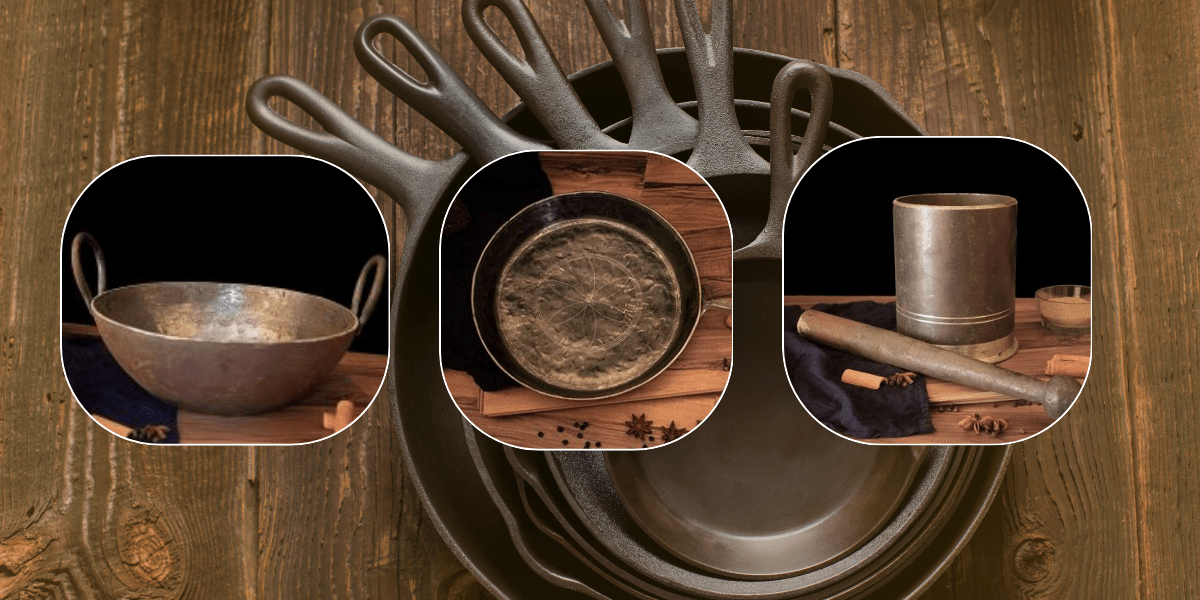
Nestled in the heart of the Himalayas, Uttarakhand is known for its breathtaking landscapes, vibrant traditions, and exceptional craftsmanship. Among its many traditional arts, the centuries-old practice of hand-forging iron utensils continues to be one of the state’s most treasured crafts. Long before modern cookware became common, local blacksmiths created durable kitchen essentials that formed the backbone of every household. These handcrafted pieces were designed not only to withstand everyday cooking but also to become lifelong companions passed down through generations.
Today, as more people look for sustainable and healthier cookware, traditional iron utensils for cooking are making a remarkable comeback. Their durability, natural cooking properties, and timeless appeal have earned them a place in both traditional and modern kitchens. Beyond their practical use, every handcrafted utensil tells a story of Uttarakhand’s cultural heritage and the skilled artisans who continue to preserve this remarkable legacy through their craftsmanship.
The Rich History of Traditional Iron Utensils in Uttarakhand
The tradition of crafting iron cookware in Uttarakhand dates back hundreds of years. Before industrial manufacturing, villages depended on local blacksmiths to create farming tools, household equipment, and cooking vessels using simple hand-forging techniques. These artisans, traditionally belonging to the Lohar community, played an essential role in rural life, producing sturdy cookware that could withstand years of daily use. Every utensil was carefully shaped by hand, making each piece unique while reflecting the skills and experience of its maker.
As Himalayan communities grew, handcrafted cookware became an inseparable part of local food culture. Families prepared rotis, lentils, vegetables, festive dishes, and traditional recipes using these durable utensils over wood-fired stoves. Many households treasured their cookware for decades, often passing it from one generation to the next. Even with the arrival of stainless steel and aluminium, handcrafted iron utensils remained popular because of their strength, excellent heat retention, and deep connection to Uttarakhand’s culinary traditions.
Traditional Iron Utensil Making Across Kumaon and Garhwal

The art of making iron utensils has flourished across both the Kumaon and Garhwal regions of Uttarakhand for generations. Skilled artisan families continue to preserve traditional forging methods, ensuring that this valuable craft remains an important part of the state’s cultural heritage. While modern machinery has transformed cookware production in many places, these artisans still rely on hand tools, experience, and age-old techniques to create durable cookware.
Kumaon Region
The Kumaon region has long been recognised for its skilled blacksmith communities. Areas such as Lohaghat in Champawat district, Almora, Bageshwar, and Pithoragarh are known for producing handcrafted kitchen essentials using traditional forging methods. Here, artisans create products such as iron kadhais, tawas, frying pans, ladles, and pestle-and-mortar sets that are valued for their quality, durability, and authentic craftsmanship.
Garhwal Region
The tradition continues with equal pride across the Garhwal region. Skilled craftsmen from Pauri Garhwal, Tehri Garhwal, Chamoli, and Rudraprayag continue producing handcrafted cookware using techniques that have been preserved within their families for generations. Their work combines functionality with traditional artistry, ensuring these products remain relevant for today’s kitchens while preserving Uttarakhand’s cultural identity.
Preserving a Living Heritage
These artisan communities represent much more than a traditional occupation. They are the custodians of a centuries-old craft that reflects the resilience, creativity, and self-reliance of Himalayan life. Every handcrafted utensil supports rural livelihoods, encourages sustainable production, and helps preserve one of Uttarakhand’s most cherished handicraft traditions. By choosing authentic handmade cookware, consumers directly contribute to keeping this remarkable heritage alive for future generations.
How Traditional Iron Utensils Are Made in Uttarakhand
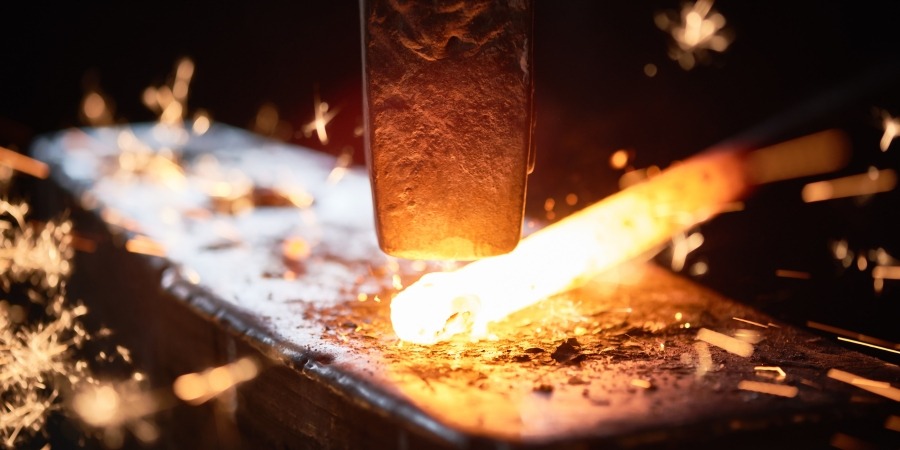
Creating traditional iron utensils is a time-honoured process that requires skill, precision, and years of experience. Unlike factory-made cookware, every utensil is handcrafted using traditional forging techniques.
- Selection of Quality Iron: Skilled artisans carefully choose premium-quality iron to ensure strength, durability, and long-lasting performance.
- Heating the Iron: The iron is heated in a traditional furnace until it becomes red-hot and easy to shape.
- Hand Forging: Using heavy hammers and anvils, artisans manually shape the heated iron into cookware such as kadhais, tawas, frying pans, and ladles.
- Strengthening the Metal: The utensil is repeatedly heated and hammered to improve its durability, heat retention, and overall cooking performance.
- Finishing the Surface: The edges are refined, the surface is smoothened, and handles are securely attached to create a comfortable and functional utensil.
- Quality Inspection: Each handcrafted piece is carefully checked for balance, finish, thickness, and durability before it reaches customers.
This meticulous process is what makes handcrafted cast iron utensils and forged iron cookware highly valued for their quality, authenticity, and ability to last for generations.
The Skilled Artisans Keeping Uttarakhand’s Iron Craft Alive
Behind every handcrafted utensil is the dedication of artisans who have spent years mastering the art of iron forging. The skills of selecting quality iron, shaping it with precision, and giving it a durable finish have been passed down through generations. Despite the rise of factory-made cookware, many artisan families continue to preserve this traditional craft, keeping Uttarakhand’s rich heritage alive.
At Baaduli, we proudly support these skilled artisans by providing them with a platform to showcase and sell their handcrafted products. This not only helps create sustainable employment and strengthen rural livelihoods but also encourages the next generation to continue this centuries-old tradition. Every purchase contributes to preserving Uttarakhand’s craftsmanship while empowering the local artisan community.
Discover Baaduli’s Traditional Iron Utensils for Every Kitchen
For generations, traditional kitchens across Uttarakhand have relied on handcrafted cookware for preparing everyday meals as well as festive delicacies. Different utensils serve different purposes, making them an essential part of Himalayan cooking. Whether it is preparing rotis, frying snacks, cooking curries, or grinding fresh spices, these timeless kitchen tools continue to offer reliable performance and exceptional durability.
At Baaduli, you can discover a thoughtfully curated collection of handcrafted iron utensils inspired by Uttarakhand’s rich artisan heritage. Each product is made using traditional forging techniques and is designed to meet the needs of modern kitchens without compromising authenticity.
Hand-Forged Iron Frying Pan
Ideal for everyday frying, sautéing, and roasting, this handcrafted frying pan provides even heat distribution for consistent cooking results.
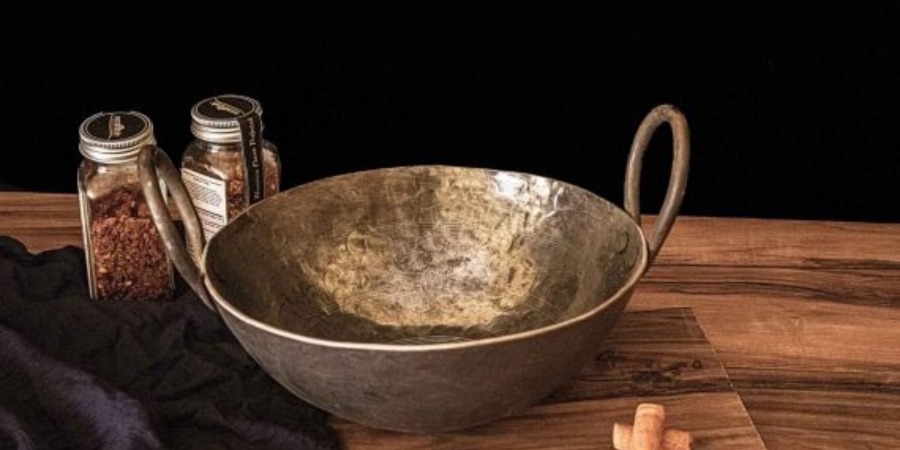
Handforged Iron Kadhai
Perfect for preparing curries, stir-fries, vegetables, and deep-fried dishes, this versatile kadhai is built for everyday use and long-lasting performance.
Handforged Iron Poori Kadhai
Designed with deeper sides, this kadhai is ideal for frying pooris, pakoras, and other traditional snacks while maintaining consistent heat.
Handforged Iron Roti Tawa
A durable flat tawa that helps prepare soft rotis, parathas, dosas, and other Indian breads with even cooking.
Handforged Iron Tadka Pan
Specially crafted for preparing aromatic tempering, this pan enhances the flavour of dals, curries, and vegetables.
Handcrafted Iron Dal & Rice Ladle
Strong, durable, and comfortable to use, this ladle is perfect for serving dals, curries, rice, and other home-cooked meals.
Iron Imamdasta (Pestle & Mortar)
Traditionally used for grinding spices, herbs, ginger, and garlic, this handcrafted tool helps preserve authentic flavours in everyday cooking.
Health Benefits of Cooking in Iron Utensils
One of the biggest reasons people continue choosing iron utensils for cooking is their natural health benefits. During the cooking process, small amounts of dietary iron may transfer into food, especially when preparing mildly acidic dishes such as tomato-based curries or lentils. This natural process can contribute to daily iron intake while allowing families to enjoy nutritious home-cooked meals. Along with this, iron cookware distributes heat evenly, reducing hot spots and helping food cook more consistently.
Another major advantage is that traditional cookware is completely free from synthetic coatings or harmful chemicals. Unlike cookware with artificial non-stick layers, cast iron utensils for cooking develop a natural non-stick surface through proper seasoning. They also retain heat exceptionally well, allowing food to stay warm for longer while reducing the need for excessive oil during cooking. Their durability makes them a sustainable investment, as well-maintained cookware can serve families for decades and even be passed on to future generations.
Estimated Iron Contribution from Cooking in Iron Utensils
| Food Prepared in Iron Utensils | Estimated Iron Added (mg per Serving*) | Additional Benefit |
| Tomato Curry | 2–5 mg | Acidic ingredients help increase iron absorption from the cookware. |
| Dal (Lentils) | 1–3 mg | Provides even cooking while adding small amounts of dietary iron. |
| Sambar | 2–5 mg | Tamarind enhances the natural transfer of iron. |
| Rajma/Chole | 1–3 mg | Long cooking time may increase iron content. |
| Spinach Curry | 1–3 mg | Combines naturally occurring iron with iron released from the utensil. |
| Potato or Mixed Vegetable Curry | 0.5–2 mg | Suitable for everyday cooking with even heat distribution. |
| Egg Bhurji | 0.5–1.5 mg | Retains heat well for consistent cooking. |
| Roti/Paratha | 0.2–0.8 mg | Short cooking time results in lower iron transfer. |
The amount of iron transferred varies depending on the type of food, acidity, cooking time, seasoning of the cookware, and the condition of the utensil. The values above are approximate estimates.
Why Traditional Iron Cookware is a Sustainable Choice
Choosing handcrafted cookware is not only beneficial for your kitchen but also for the environment. Unlike disposable or chemically coated cookware that often needs frequent replacement, traditionally forged iron cookware is built to last for many years. With proper care, these utensils continue performing efficiently without losing their strength, making them a sustainable alternative to many modern cookware options.
Handmade cookware also supports environmentally responsible production. Skilled artisans rely on traditional forging methods instead of large-scale industrial manufacturing, reducing waste while preserving age-old craftsmanship. Investing in handcrafted iron utensils means choosing a product that combines durability, functionality, and sustainability while supporting local artisan communities and encouraging responsible consumption.
How to Care for Traditional Iron Utensils
Proper care is essential to maintain the quality and performance of handcrafted iron utensils. Before using a new utensil, it should be seasoned by applying a thin layer of cooking oil and heating it gently. This process creates a protective layer that helps improve the cooking surface over time. After each use, wash the utensil with warm water and a soft scrubber, dry it thoroughly, and apply a light coating of oil before storing to prevent rust.
It is also advisable to avoid storing acidic foods such as tomato-based curries, tamarind, or lemon preparations in iron cookware for extended periods, as prolonged contact may react with the metal and affect the flavour. With regular seasoning and proper maintenance, handcrafted cookware becomes smoother with every use, offering reliable performance and lasting for generations.
Why Handcrafted Iron Utensils Are Better Than Factory-Made Cookware
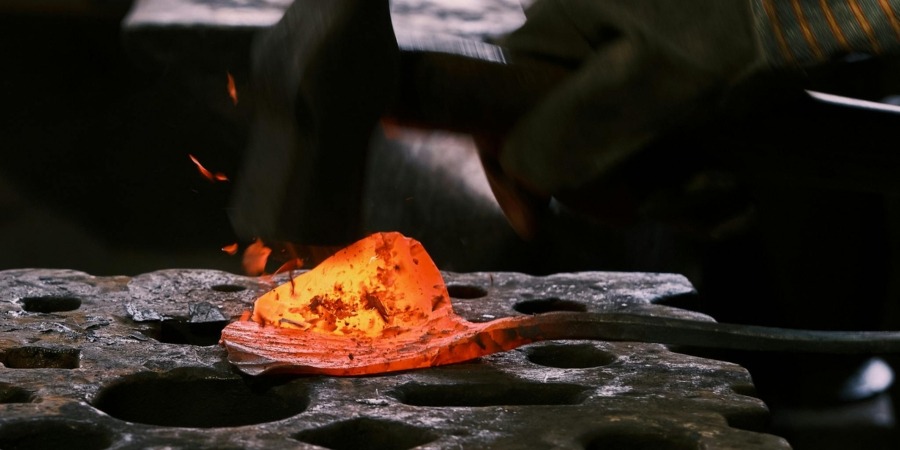
Handcrafted cookware stands out because every piece is individually forged by skilled artisans rather than being mass-produced by machines. This traditional process creates cookware that is stronger, thicker, and more durable while maintaining the authenticity of Himalayan craftsmanship. Every utensil carries subtle variations that reflect the artisan’s skill, making each piece unique instead of identical.
Compared to factory-made alternatives, handcrafted cast iron utensils offer superior heat retention, even cooking, and a naturally developing non-stick surface when seasoned properly. They are free from synthetic coatings, making them a healthier choice for everyday cooking. Choosing handmade cookware also supports traditional craftsmanship, sustainable production, and rural artisan communities that continue to preserve this centuries-old heritage.
Why Choose Baaduli to Experience Uttarakhand’s Handcrafted Heritage
Baaduli is dedicated to preserving Uttarakhand’s rich artisanal traditions by bringing authentic handcrafted products directly from skilled local artisans to homes across India. From premium-quality iron cookware made using traditional forging techniques to a diverse collection of brass handicrafts, copper handicrafts, iron handicrafts, Moonj grass crafts, bamboo handicrafts, wood items, stone crafts, traditional musical instruments, souvenirs, and Aipan art, every product reflects the culture, craftsmanship, and heritage of the Himalayan region.
By choosing Baaduli, you do more than purchase handcrafted products—you help support local artisan communities, create sustainable livelihood opportunities, and preserve traditional skills that have been passed down through generations. Whether you’re looking for durable kitchen essentials or authentic Uttarakhand handicrafts, every purchase contributes to keeping the state’s timeless craftsmanship alive while bringing a piece of its rich heritage into your home.
Bringing Uttarakhand’s Heritage into Your Kitchen
Traditional iron utensils are more than cookware—they represent generations of craftsmanship, culture, and sustainable living. Every handcrafted piece reflects the dedication of artisans who continue to preserve techniques that have been passed down for centuries. Whether used for preparing everyday meals or traditional recipes, these utensils combine functionality with timeless craftsmanship, making them a valuable addition to any kitchen.
Choosing handcrafted cookware is also a meaningful way to support local artisans and promote traditional handicrafts. By bringing authentic products into your home, you help preserve Uttarakhand’s rich cultural heritage while enjoying cookware that is durable, chemical-free, and built to last. Every meal prepared in handcrafted cookware carries forward a legacy of quality, tradition, and skilled craftsmanship.
Frequently Asked Questions
- Why are traditional iron utensils from Uttarakhand unique?
They are handcrafted using traditional forging techniques that have been passed down through generations, making each utensil durable, authentic, and unique.
- Are iron utensils safe for everyday cooking?
Yes. Properly seasoned cookware is safe for daily use and performs exceptionally well at high cooking temperatures.
- What are the benefits of cooking in iron cookware?
Iron cookware offers excellent heat retention, even cooking, durability, and may naturally increase the iron content of food during cooking.
- What is the difference between forged iron and cast iron utensils?
Forged cookware is shaped manually by hammering heated iron, while cast iron cookware is made by pouring molten iron into moulds. Forged cookware is generally lighter, whereas cast iron is usually heavier and retains heat for longer.
- How do I season a new iron utensil?
Apply a thin layer of cooking oil, heat the utensil gently, allow it to cool, and repeat the process a few times to create a natural protective coating.
- How can I prevent rust on iron cookware?
Always dry the utensil completely after washing and apply a light coating of oil before storing.
- Can I cook acidic foods in iron cookware?
Yes, but avoid storing acidic foods in the utensil for long periods, as they may react with the iron.
- Is handcrafted iron cookware suitable for modern kitchens?
Yes. Many handcrafted products are compatible with gas stoves, and selected models can also be used on induction cooktops.
- Why should I choose handcrafted cookware over factory-made products?
Handcrafted cookware is stronger, more durable, sustainable, and supports traditional artisan communities while offering authentic craftsmanship.
- Where can I buy authentic handcrafted iron cookware from Uttarakhand?
Baaduli offers a premium collection of handcrafted cookware, including frying pans, kadhais, tawas, tadka pans, ladles, and traditional kitchen tools, all made using time-honoured forging techniques by skilled artisans.
